Technical note
How to choose between API 6D and API 608 ball valves
· 8 min read · Iron Valves Technical Team
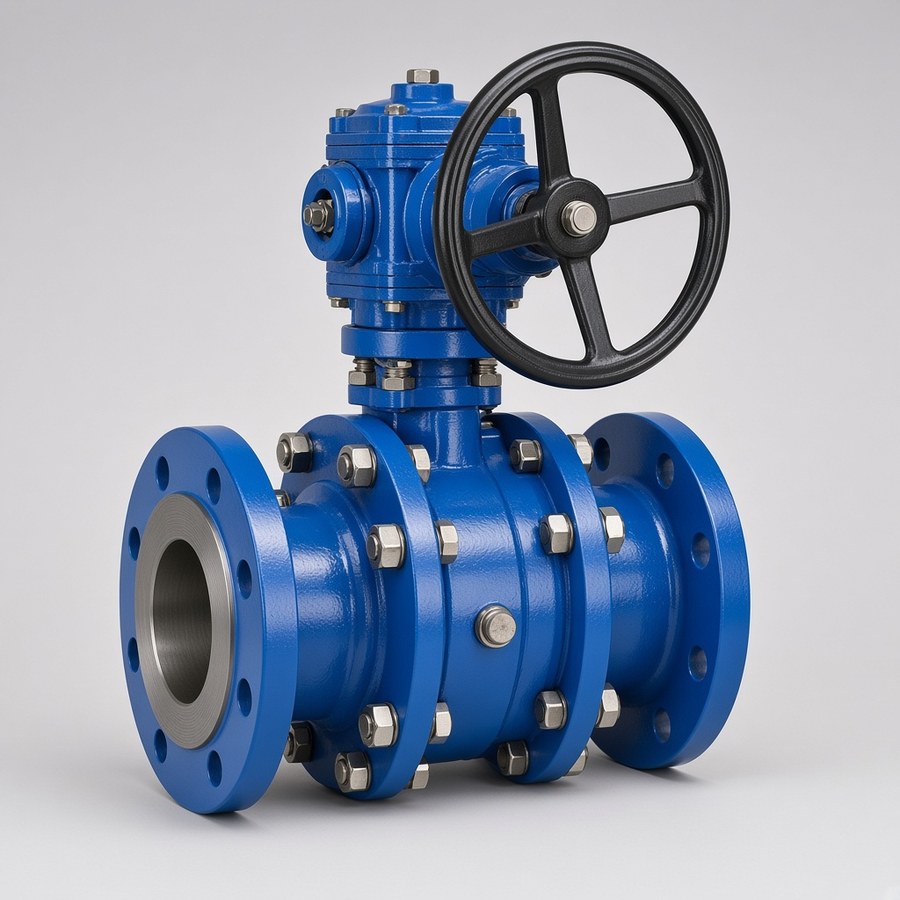
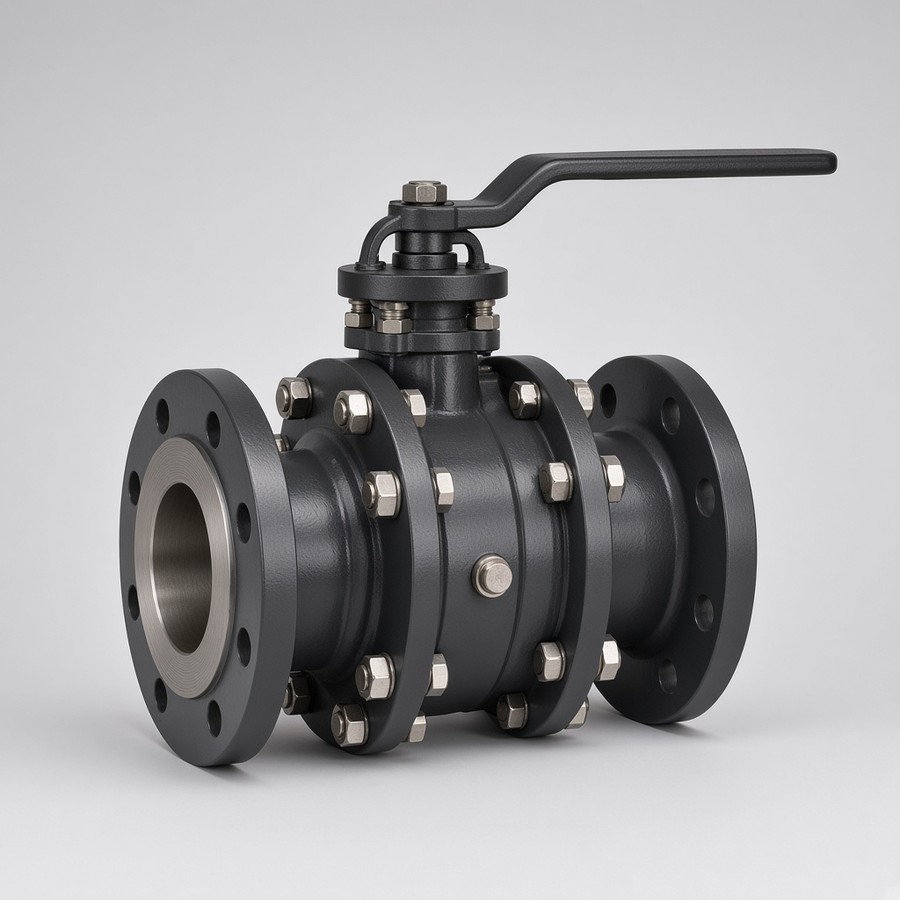
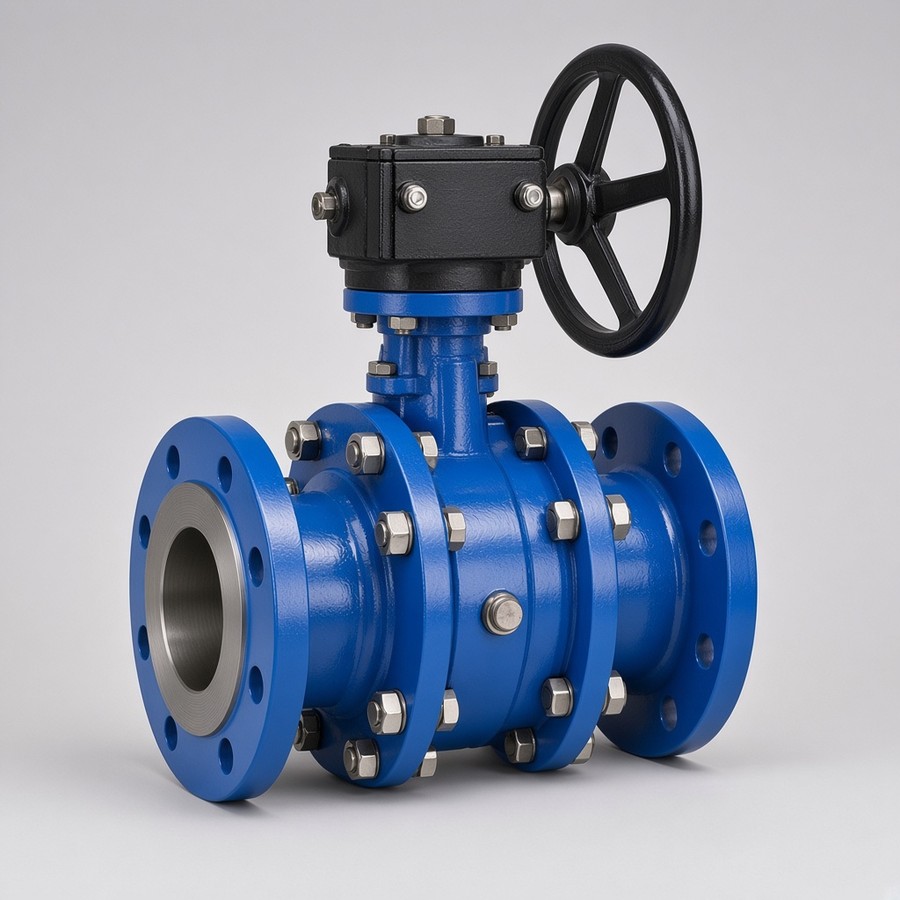
Procurement teams working on Saudi oil, gas and process projects often see both API 6D and API 608 written against ball valves on the same inquiry. The two specifications overlap in smaller sizes, which makes it tempting to treat them as interchangeable. They are not. Each standard was written for a different duty, and choosing the wrong one usually shows up later as a documentation gap, a test mismatch or a valve that cannot do what the piping class assumed.
What API 6D covers
API 6D, Pipeline and Piping Valves, covers ball, check, gate and plug valves intended for pipeline transportation systems. In practice that means isolation valves on transmission lines, plant piping that is specified as pipeline duty, launcher and receiver valves, and block-valve stations. The design language of API 6D assumes pigging, double block and bleed or double isolation and bleed, stem extensions for buried service, and longer, more explicit hydrostatic and seat-test sequences than a typical process-plant standard.
What API 608 covers
API 608, Metal Ball Valves — Flanged, Threaded and Welding Ends, covers metallic ball valves used in petroleum, petrochemical and related process industries. It sits alongside ASME B16.34 for pressure–temperature ratings and is the usual reference when a process unit needs a compact on/off ball valve rather than a pipeline isolation valve. Floating-ball construction is common in the smaller sizes; trunnion-mounted designs appear as size and class increase. Face-to-face dimensions, port choice (full or reduced) and fire-safe construction are selected against the process datasheet.
Size, pressure class and isolation features
Size and pressure class are the first practical filters. An API 6D trunnion-mounted ball valve is the normal choice once the bore is large enough, or the class high enough, that a floating ball would overload the downstream seat. Pipeline projects commonly run from a few inches up to well above 24 inches, in ASME classes from 150 through 2500. An API 608 process ball valve more often appears on unit piping from about half an inch to the mid-size range, in classes that the process piping specification already uses.
The second filter is how the valve has to isolate. Pipeline isolation frequently requires double block and bleed (DBB) or double isolation and bleed (DIB), a full piggable bore, and the ability to vent the body cavity while both seats hold. Those features are native to API 6D trunnion designs. Process isolation more often needs a reliable quarter-turn shut-off, anti-static trim, a blowout-proof stem and a fire-safe option to API 607 — all of which API 608 addresses — without the buried-service gear or pigging geometry of a mainline valve. An API 6D floating ball valve sits in the overlap: it is tested and documented as a pipeline valve but uses floating-ball construction in the smaller sizes.
Testing, documentation and writing the RFQ
Testing and documentation follow the standard named on the purchase order. API 6D shell and seat tests have their own hold times and acceptance criteria; supplementary API 598 tests are added only when the datasheet says so. API 608 valves are typically production-tested in line with API 598 and the requirements of API 608 itself. Fire-safe evidence, when requested, is a manufacturer type test to API 607 or API 6FA — it is a property of the design and the manufacturing plant, not of the distributor. Low-emission stem packing to ISO 15848 is available from many plants on either family, again as specified.
Saudi project specifications (including valve-selection practices such as SAES-L-108 and the relevant SAMSS product sheets) usually tell you which standard applies. If the line is a cross-country or in-plant pipeline that must be pigged or that calls for DBB, start with API 6D. If the line is process piping inside a unit, and the piping class already points at API 608 or ASME B16.34 ball valves, stay there. Do not “upgrade” an API 608 item to API 6D, or the reverse, just because one catalogue photograph looks similar.
A clean RFQ states the standard first, then size, class, end connection, bore, seat material, operation (lever, gear or actuator), fire-safe and fugitive-emission options, and the documentation pack (typically EN 10204 3.1 mill test certificates, hydrostatic records and any type-test copies the manufacturer holds). Iron Valves matches that datasheet to a qualified manufacturer. Certifications, monograms and listings are those of the manufacturing plant and are supplied as specified in the purchase order.
In short: use API 6D when the valve is a pipeline isolation valve; use API 608 when it is a process ball valve. Where the two could both apply, follow the project specification rather than the brochure. If you are unsure, send the line class and the isolation requirement — pigging, DBB, buried service, or simple unit isolation — and we will propose a manufacturer option against that datasheet, not against a generic substitute.
Written by the Iron Valves Technical Team. Products mentioned are supplied to the stated standards from qualified manufacturers; certifications are those of the manufacturing plant.