Technical note
ISO 15848 fugitive emissions explained
· 8 min read · Iron Valves Technical Team
Fugitive emissions are the small, unwanted leaks of process fluid that escape from valve stems, body joints and other connections. On a hydrocarbon plant they are a safety, environmental and often a regulatory issue: volatile organic compounds, toxic streams, hydrogen and sour gas all justify tighter stem sealing than a general-purpose packed valve provides. ISO 15848 is the international standard most often used to describe that tightness in a way a purchaser, a manufacturer and an inspector can all read the same way.
Type testing versus production testing
The standard has two parts that are easy to confuse. ISO 15848-1 is a type-test classification of a valve design. A sample valve is cycled mechanically and thermally while stem leakage is measured, and the design is assigned a tightness class, an endurance class and a temperature class. ISO 15848-2 is a production test that can be applied to valves being shipped, to show that a particular unit is consistent with a previously qualified design. An RFQ that simply says “ISO 15848” should be tightened: do you need a type-test certificate for the design, a production test on the supplied valves, or both?
Tightness, endurance and temperature classes
Tightness class describes how little the stem seal leaks under the test method. Class AH is the most demanding tightness class typically specified for toxic or highly regulated services; classes BH and CH allow progressively higher leakage. The exact numerical limits and the measurement method (helium or methane, depending on the procedure) live in the standard itself and in the manufacturer’s test report — engineers should read those documents rather than a brochure summary. What matters commercially is that “AH” is not a packaging option you can add to any valve. It is a result the packing system, the stem finish and the gland design have to earn in a type test.
Endurance class describes how many mechanical cycles the stem seal survived while staying inside its tightness class. Isolating valves (on/off service) and control valves are classified in separate families, because a control valve is expected to move far more often than a block valve. A pipeline ball that is operated a few times a year and a control globe on a compressor recycle line should not share the same endurance expectation. If your specification names an endurance class, it should match the duty: isolating or modulating, and a realistic cycle life.
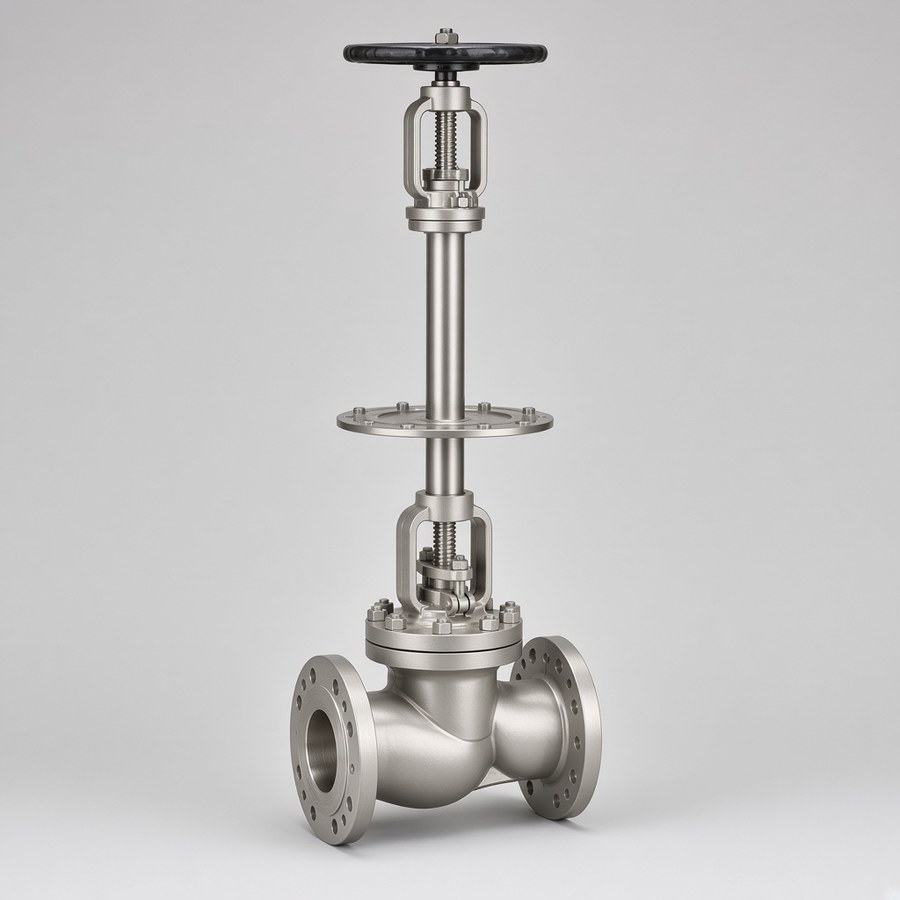
Temperature class records the temperature at which the type test was performed. A packing system that meets a given tightness class at ambient temperature may not meet it at 200 °C or at cryogenic temperature. Extended-bonnet cryogenic valves and high-temperature steam valves therefore need a qualification that covers the service temperature, not only a room-temperature report copied into the dossier.
ISO 15848 does not replace fire-safe testing. Graphite packing that survives a fire test is not automatically a low-emission packing, and a PTFE-based low-emission system is not automatically fire-safe. Some manufacturers offer combined systems; many treat them as alternatives. If a line needs both fire-safe construction to API 607 or API 6FA and ISO 15848 stem tightness, say both on the datasheet and allow the manufacturer to confirm a construction that has been tested for each requirement.
Other emission frameworks appear on multinational projects — TA-Luft in some European inheritance specifications, EPA Method 21 measurement language in others. They are not identical to ISO 15848. When a Saudi project specification names ISO 15848, quote ISO 15848. When it names a different method, say so rather than assuming equivalence.
Specifying ISO 15848 on a datasheet
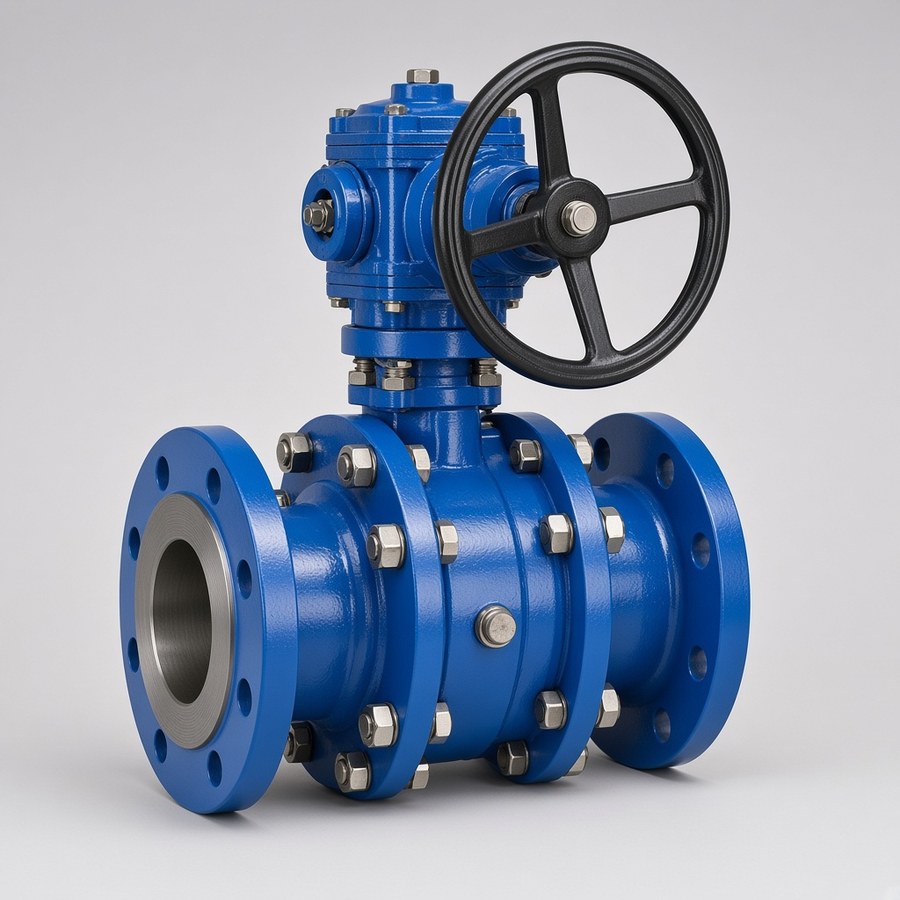
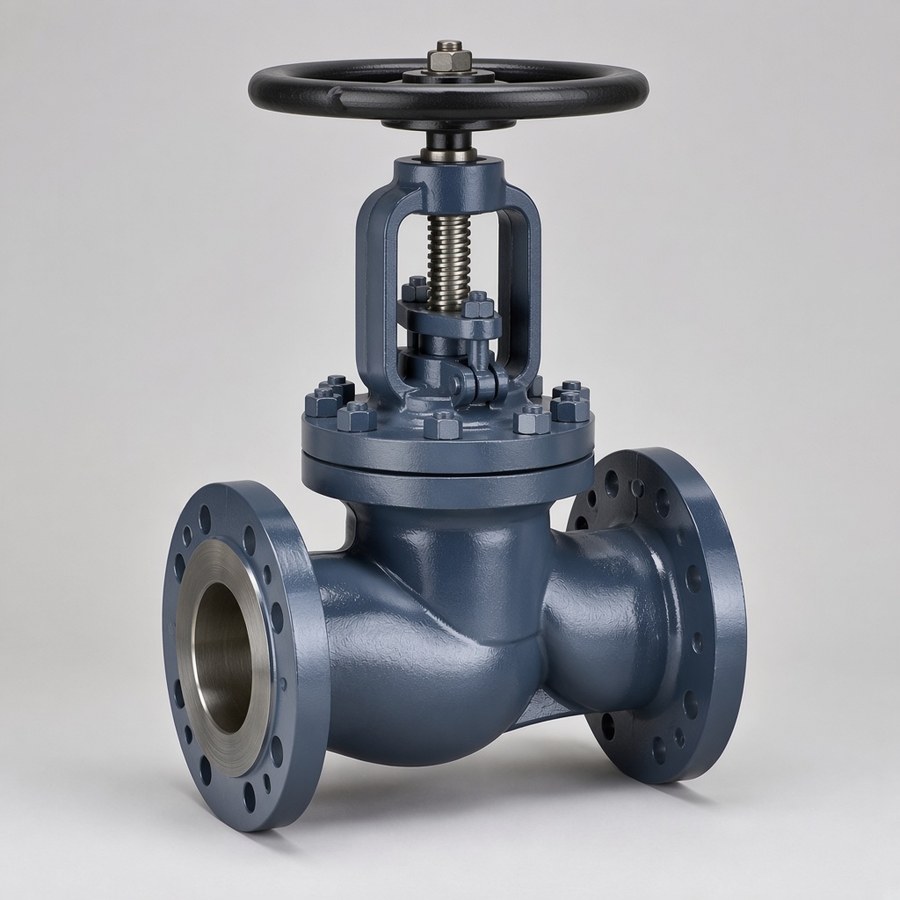
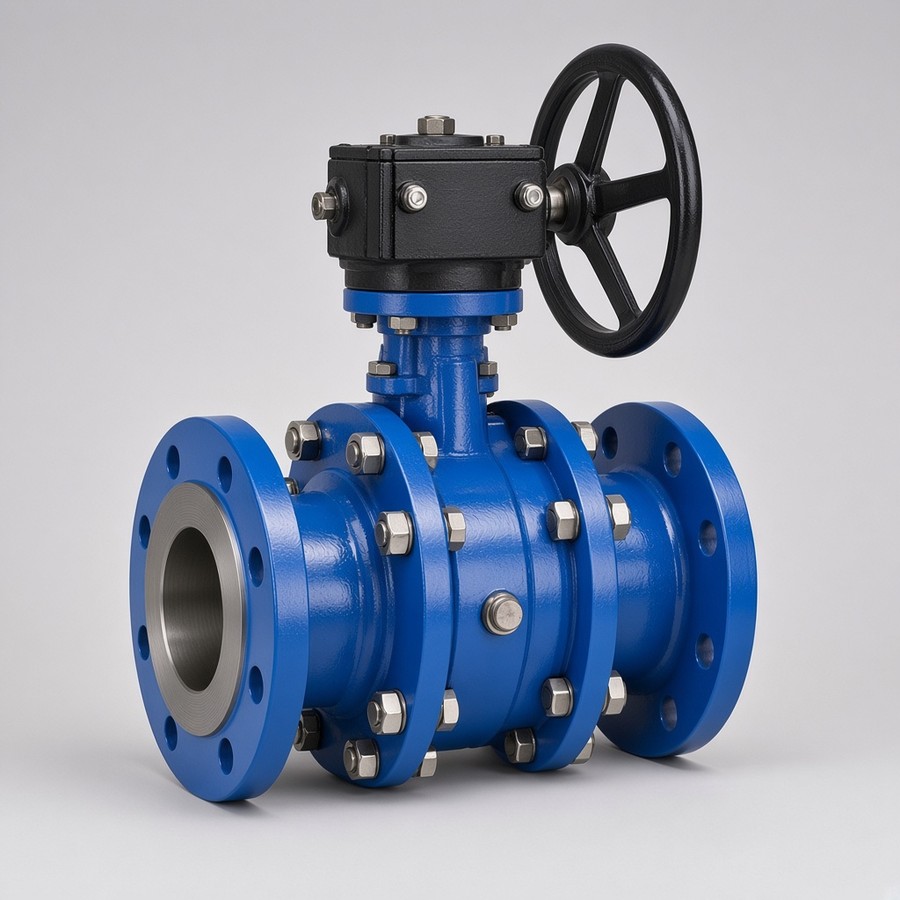
On product pages across this site you will see ISO 15848 described as “available on request” for families such as the API 6D trunnion-mounted ball valve, the API 608 process ball valve and rising-stem gates such as the API 600 cast steel gate valve. That is the honest position. Low-emission packing is a manufacturer option, qualified on particular sizes and temperature ranges. Iron Valves does not hold an ISO 15848 certificate of its own; we arrange valves from plants that do, and we include the plant’s type-test (and production-test, if specified) documents in the inspection pack.
A practical RFQ line reads: “ISO 15848-1 type test, tightness class BH (or AH), endurance class suitable for isolating service, temperature class covering the design temperature; ISO 15848-2 production test if required by the inspection and test plan.” If you are unsure which tightness class the end user expects, send the piping class or the environmental specification and we will propose what qualified manufacturers can actually support — not a class no one has tested.
Written by the Iron Valves Technical Team. Products mentioned are supplied to the stated standards from qualified manufacturers; certifications are those of the manufacturing plant.