Technical note
Saudi Aramco valve specifications and vendor registration, in plain terms
· 9 min read · Iron Valves Technical Team
Almost every serious conversation about supplying valves into Saudi oil and gas eventually reaches Saudi Aramco specifications and vendor registration. Both subjects are surrounded by shorthand — 9COM numbers, AML, RVL, SAES, SAMSS, Ariba — that can sound like a company either “has Aramco” or does not. The reality is more careful than that, and it matters that a supplier describes it accurately. This article is a high-level overview for engineers and buyers. It is not a substitute for the official issued specifications, and it is not a claim that Iron Valves holds Aramco approval, a vendor number, or a place on any approved-manufacturer list.
SAES and SAMSS documents
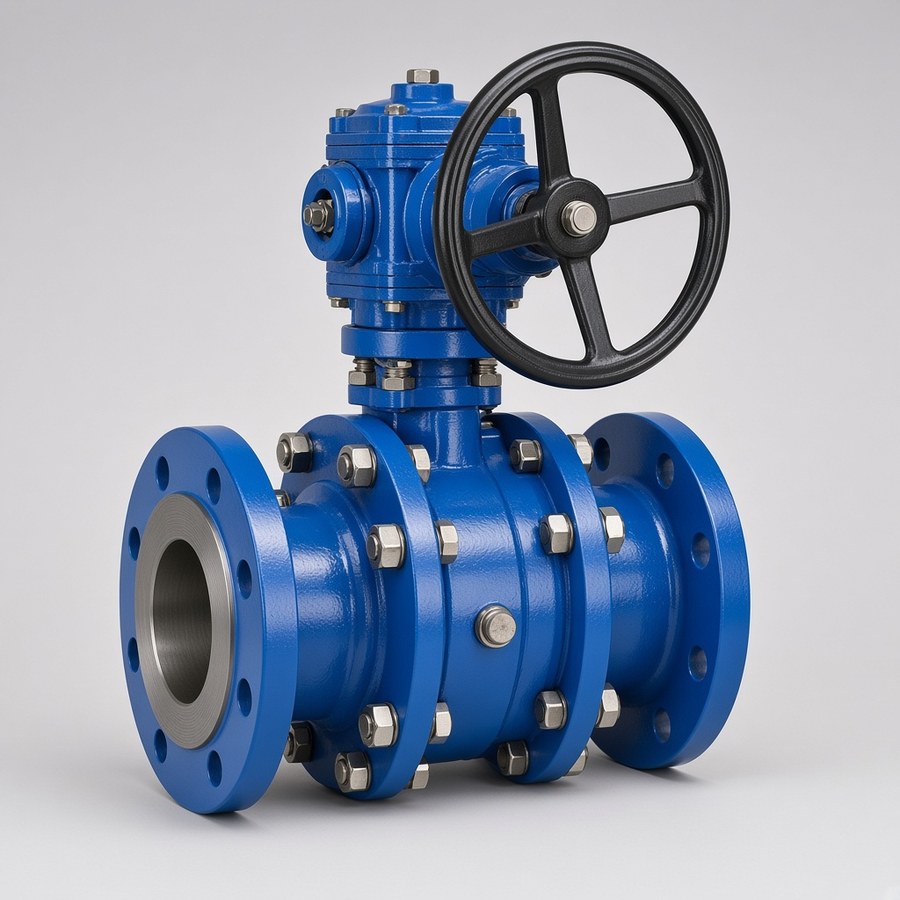
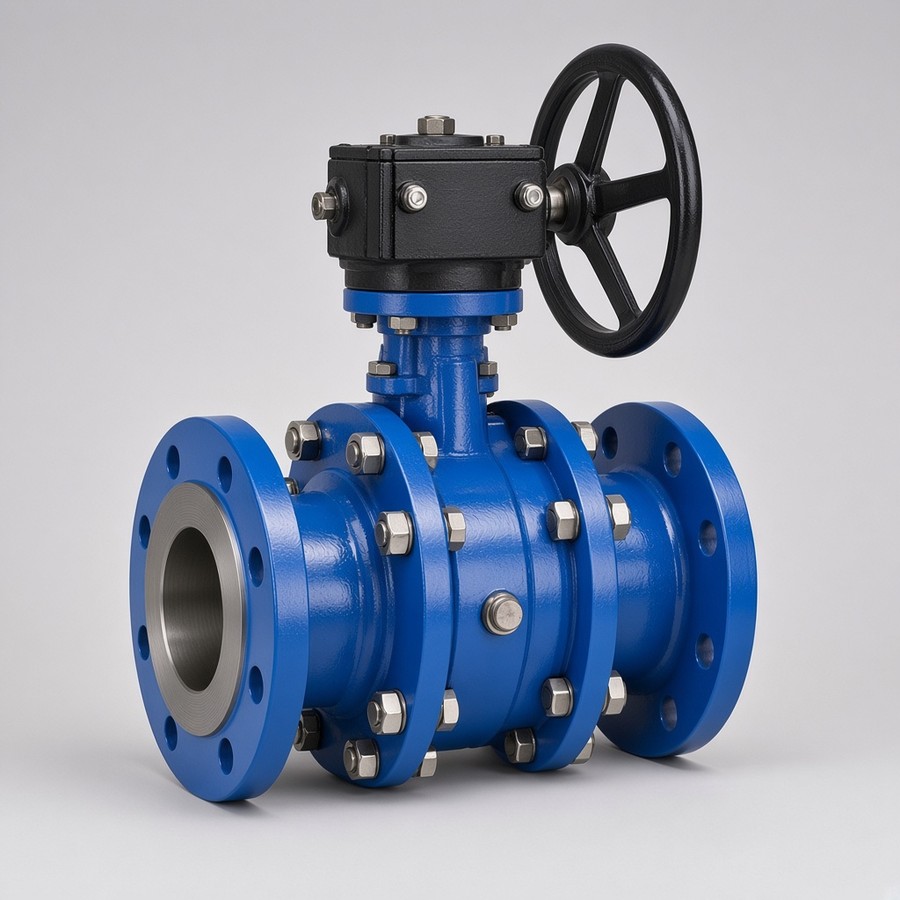
Valve selection on Aramco projects is driven by engineering standards in the SAES series and by product specifications in the SAMSS series. SAES-L-108 is the document most often cited for selection of valves: which types are acceptable in which services, what design features are expected, and how the valve should be specified on a datasheet. SAES-L-109 sits alongside it in many piping packages as a related engineering standard that buyers and vendors are expected to read together with the piping class. Individual product SAMSS documents then describe particular valve types and inspection requirements — 04-SAMSS-035 and 04-SAMSS-048 are among those frequently referenced for ball valves and for valve inspection and testing. Edition dates change. Always use the revision named in the purchase order or the project specification, not a memory of an older clause.
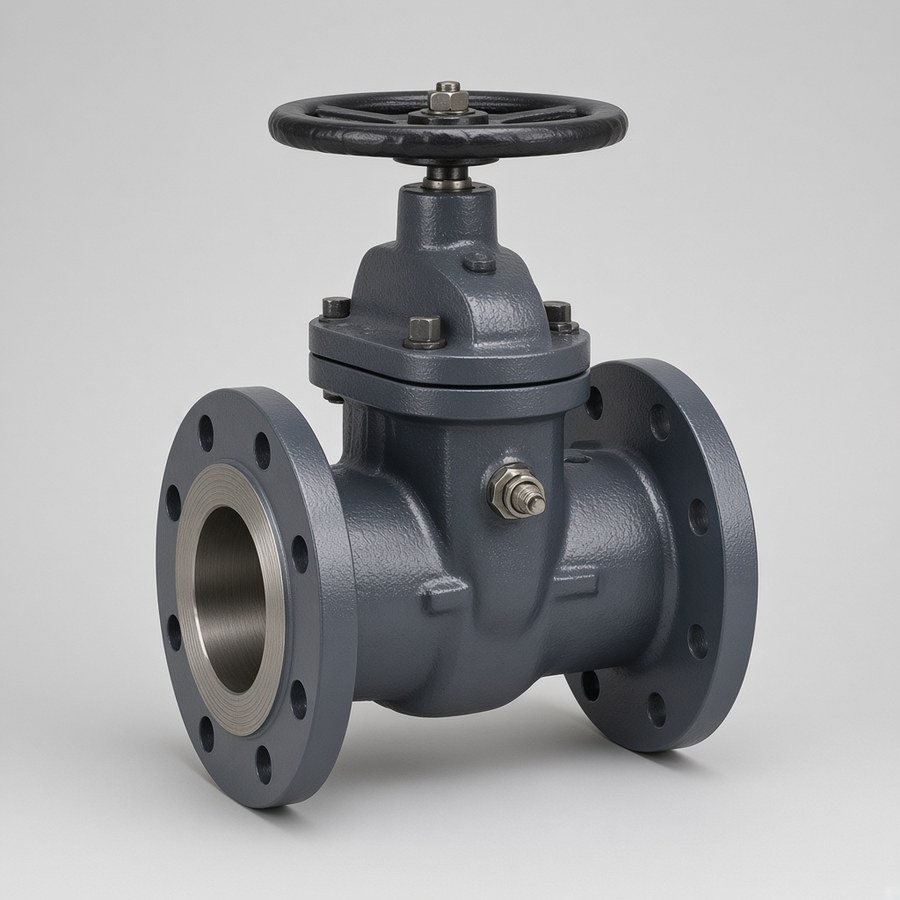
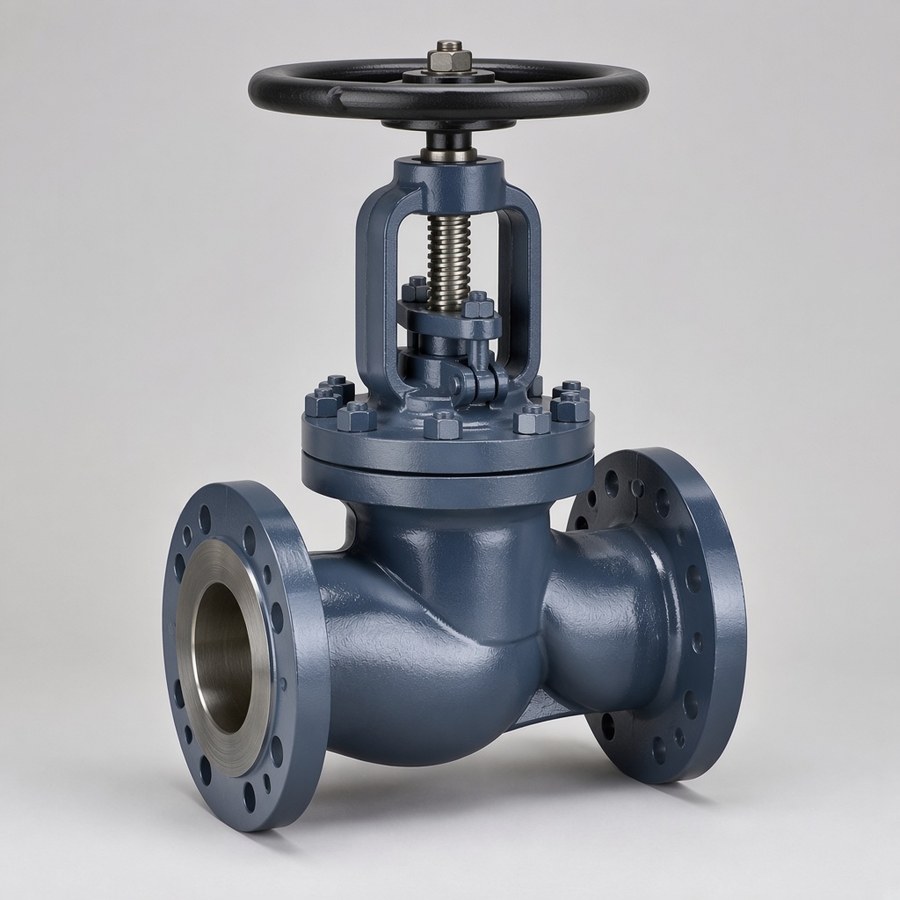
Those documents typically point onward to recognized industry standards rather than inventing a parallel design code. That is why API 6D, API 600, API 602, API 608, API 609, API 6A, API 598, fire-safe API 607 / 6FA and ISO 15848 appear both on Aramco-oriented datasheets and on the product pages of this site. A valve supplied “to API 6D” is not automatically acceptable on an Aramco job; it still has to match the SAES selection rules, the SAMSS product sheet, the piping class and, where required, the approved manufacturer for that commodity.
Manufacturer approval and supplier registration
Manufacturer approval and supplier (vendor) registration are separate ideas, and mixing them up is how over-claims start. An approved manufacturer is a plant that Aramco (or another end user) has listed for a given commodity — often discussed as the Approved Manufacturer List or the Regulated Vendor List for that item. A 9COM material code identifies the commodity itself in the client’s material catalogue. A trading company or stockist can be registered as a supplier without being the manufacturer, and a manufacturer can be listed without any particular distributor being appointed. None of those statuses should be advertised by a company that has not been granted them.
Supplier registration for those who wish to sell directly typically runs through Saudi Aramco’s procurement systems (currently reached via SAP Ariba / the supplier portal). The process involves presenting the company’s commercial registration, financial information and the product categories it hopes to supply, and — if successful — receiving a vendor identifier. Separate procedures exist for stockists that wish to hold and supply approved materials (stockist qualification, often discussed under SAEP-347). In-Kingdom total value add (IKTVA) scoring is a further commercial factor on larger awards; it measures local content, not product quality, and it is not a technical approval.
What this means for a project buyer is straightforward. The safest path is: write the valve datasheet against the project SAES/SAMSS and the piping class; name the API or ASME design standard; name any fire-safe or fugitive-emission requirements; and state whether the manufacturer must already appear on the end user’s approved list for that 9COM. If the inquiry is for stock, say so, because stockist rules differ from project-buy rules. If third-party inspection is required, name the agency or say “as per ITP”.
How Iron Valves describes this process
What it means for Iron Valves is equally straightforward, and we would rather say it plainly. We supply industrial valves from qualified manufacturers against the standards those manufacturers actually hold. We treat Saudi Aramco vendor registration, any future stockist qualification, and any appointment against an approved manufacturer as a process we are preparing for — a goal — not as a status we have already earned. We will not put “Aramco approved” on a page, a quotation or a nameplate. If a manufacturer we work with holds listings that are relevant to your inquiry, those listings belong to that plant and will be presented as such, with the plant’s documents, after we have confirmed they apply to the size and class you need.
Other Saudi end users (SABIC affiliates, utilities, other operators) each have their own vendor lists and engineering standards. The same honesty applies: we do not claim those approvals either. We do confirm manufacturer options, lead time and the documentation pack — mill test certificates to EN 10204 3.1, hydrostatic records to API 598 or API 6D, dimensional reports, and type-test copies where the plant holds them — against the datasheet you send.
If you are writing an RFQ that must sit inside an Aramco (or Aramco-pattern) specification, send the datasheet, the relevant SAES/SAMSS references as they appear on your inquiry, and any manufacturer-list constraint you have been given. We will answer with what a qualified manufacturer can actually document. That is slower than putting a logo in a banner, and it is the only way this work should be done.
Written by the Iron Valves Technical Team. Products mentioned are supplied to the stated standards from qualified manufacturers; certifications are those of the manufacturing plant.