Technical note
Understanding fire-safe testing: API 607 and API 6FA
· 8 min read · Iron Valves Technical Team
“Fire-safe” appears on almost every oil and gas valve inquiry, sometimes as a checkbox and sometimes as a full specification clause. The phrase is easy to over-claim. A fire-safe valve is one whose design has been type-tested so that, during and after a defined fire, the valve still provides a measured degree of through-seat sealing, external sealing and, in many procedures, a limited ability to operate. The certificate belongs to that design, produced by that manufacturing plant, under a named edition of a named standard. It is not something a trading company can print onto a generic product.
API 607 and API 6FA
Two API documents dominate project specifications. API 607, Fire Test for Quarter-turn Valves and Valves Equipped with Nonmetallic Seats, is the standard most often cited for soft-seated ball and butterfly valves — the valves whose polymeric seats would otherwise be expected to degrade in a fire. API 6FA, Specification for Fire Test for Valves, is the fire-test document historically associated with API 6D pipeline valves, including gate, plug and ball constructions used on pipelines. ISO 10497 is the closely related international fire-type-test standard; many manufacturers cross-qualify to more than one of these documents.
The engineering idea behind all of them is the same. A valve in flammable service may be engulfed in fire while it is still required to limit the fuel feeding that fire. Soft seats can melt or burn. Graphite packing can degrade. Body joints can leak. A fire-safe design therefore provides a secondary metallic seating path, fire-resistant packing and gaskets, and a construction that keeps the stem and closures in place when non-metallic parts are gone. The type test exposes a sample valve to a specified flame for a specified period, then measures leakage through the seat and to atmosphere, often followed by a further operational check after the valve has cooled.
What a fire type test does not prove
What the test does not do matters as much as what it does. It does not prove that every valve leaving the factory has been burned. It is a type test on a representative size and class, extended to a defined range by the standard’s grouping rules. It does not turn a valve into a fire-protection product in the NFPA sense, and it does not replace process isolation philosophy, ESD valve proof-testing or passive fire protection of the plant. It also does not mean the distributor holds the certificate. Buyers should ask for the manufacturer’s type-test report and check that the valve being purchased falls inside the qualified size, pressure-class and seating-material range.
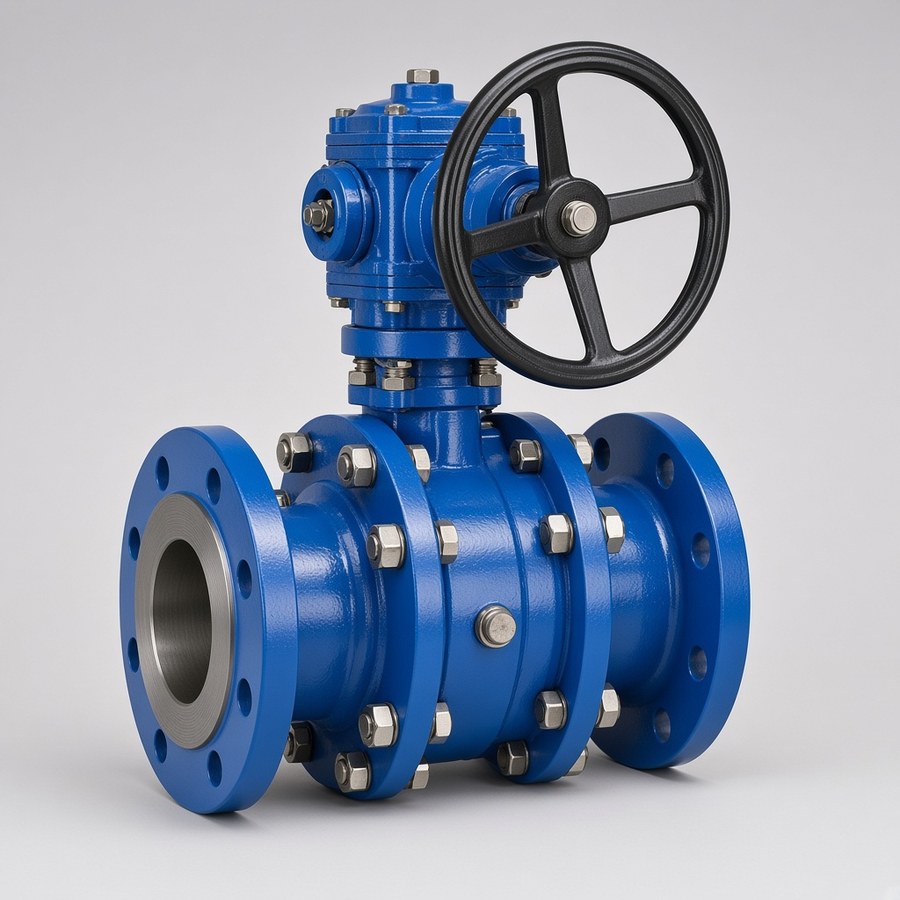
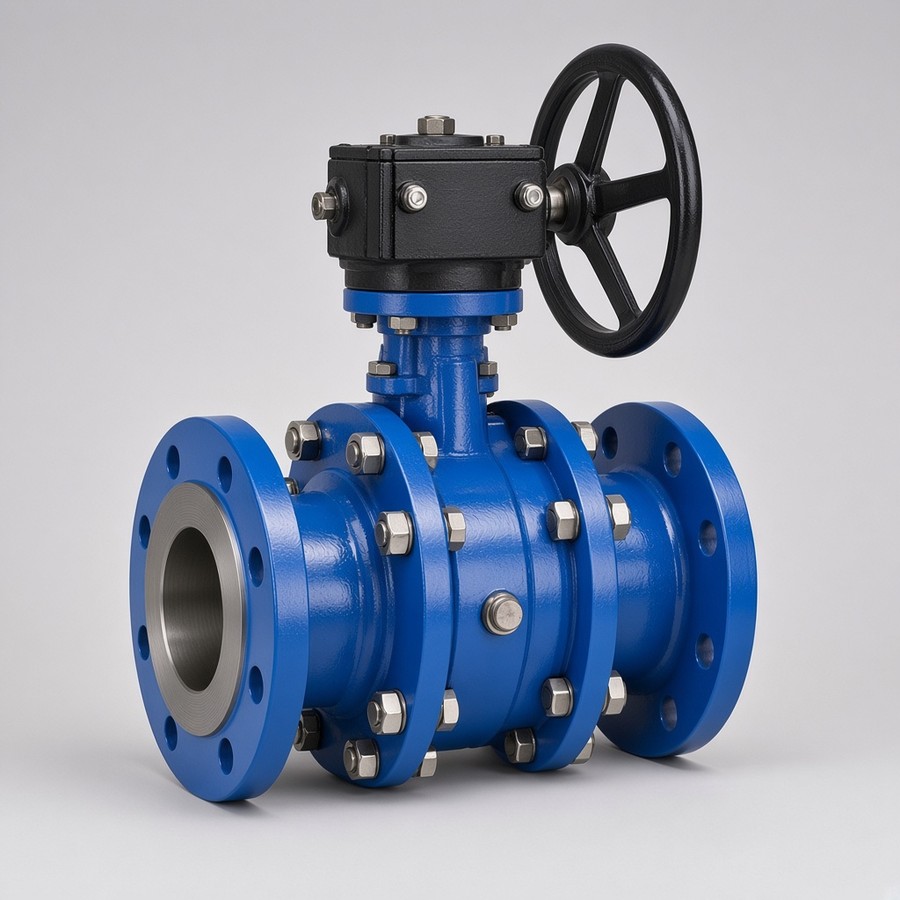
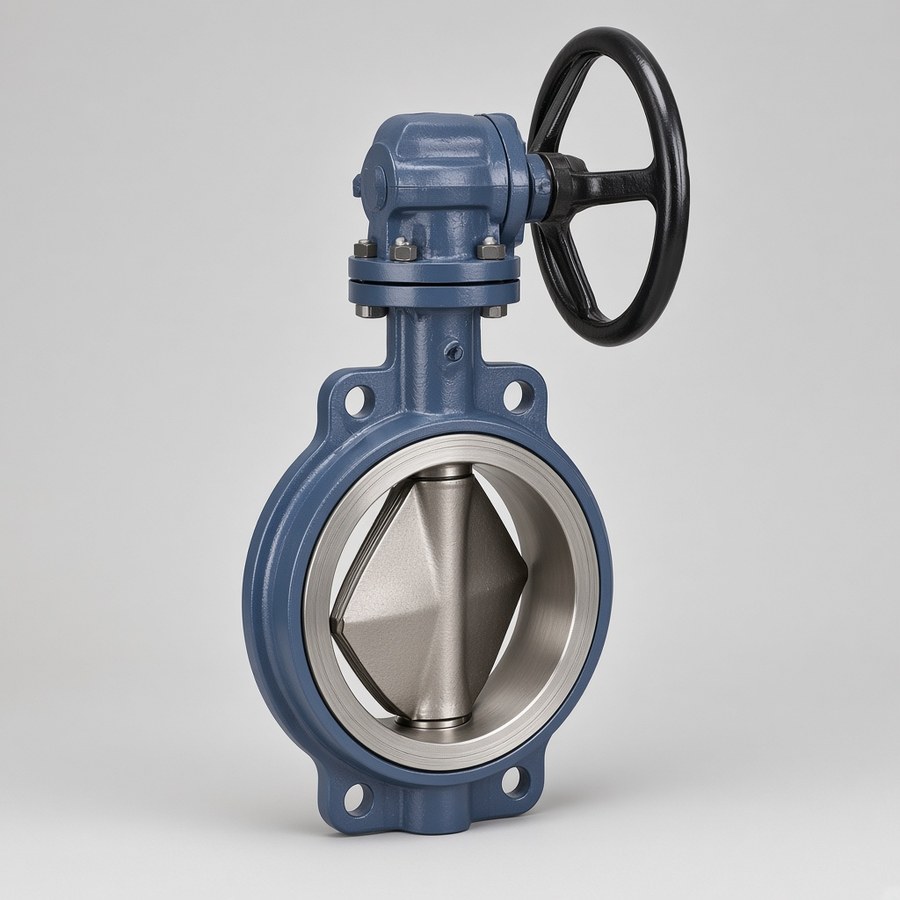
On an Iron Valves datasheet you will see fire-safe specified as an option “where the manufacturer offers it”. That wording is deliberate. An API 6D trunnion-mounted ball valve or an API 608 process ball valve can often be supplied in a fire-tested construction to API 607 or API 6FA. An API 609 triple-offset butterfly valve is inherently metal-seated and is frequently fire-tested; a high-performance soft-seated butterfly still needs the secondary metal seat and the matching test. An API 599 plug valve and through-conduit gates follow API 6FA more often than API 607, depending on the plant.
How to specify fire-safe on an RFQ
When you write the requirement, name the standard and the edition your project specification uses, and say whether you need a copy of the type-test certificate with the inspection dossier. If the piping class simply says “fire-safe”, we will treat that as a request for a manufacturer design that has been type-tested to API 607 or API 6FA as applicable, and we will say so in the quotation. We will not imply that Iron Valves itself is API-monogrammed or that a type test has been performed on the exact serial number you are buying unless the purchase order calls for a production fire test — which is unusual and expensive.
Related options often travel with a fire-safe request. Anti-static devices and blowout-proof stems are already part of most API ball-valve constructions. Graphite packing used for fire resistance should be distinguished from low-emission packing qualified to ISO 15848; some plants can satisfy both, others qualify them as separate packing systems. Seat material (PTFE, RPTFE, Nylon, PEEK or metal) changes both the process capability and the fire-test grouping, so it should be fixed before anyone promises a certificate.
A clean way to specify the need on an RFQ is: “Fire-safe construction, manufacturer type-tested to API 607 (or API 6FA), certificate to be provided; valve size and class to fall within the tested range.” That sentence is enough for a manufacturer to confirm yes or no. It is also honest: it asks for evidence the plant actually holds, rather than a marketing badge on a distributor website.
Iron Valves will only claim fire-safe performance that the manufacturing plant can document. If a plant cannot cover the size or class you need, we will say so and propose an alternative manufacturer or an alternative construction — not a certificate that does not exist.
Written by the Iron Valves Technical Team. Products mentioned are supplied to the stated standards from qualified manufacturers; certifications are those of the manufacturing plant.